FMV vs. Dollar Buyout Lease for Concrete Pumps Program overview
Pricing basis: boom reach, hours, resale strength
Application-only: up to $500,000
Sellers: dealer, auction, or private party
Turnaround: same business day
Get a Quote Back to list
Two operators both sign equipment leases on identical 47-meter boom pumps. One gets a lower monthly payment and an open question about what happens at the end. The other pays more every month and owns the machine for a dollar when the term is up. Neither made a mistake. They just had different plans for the equipment. The difference between these two outcomes is the lease structure: fair market value versus dollar buyout. Getting this choice right before you sign saves real money over the lease term.
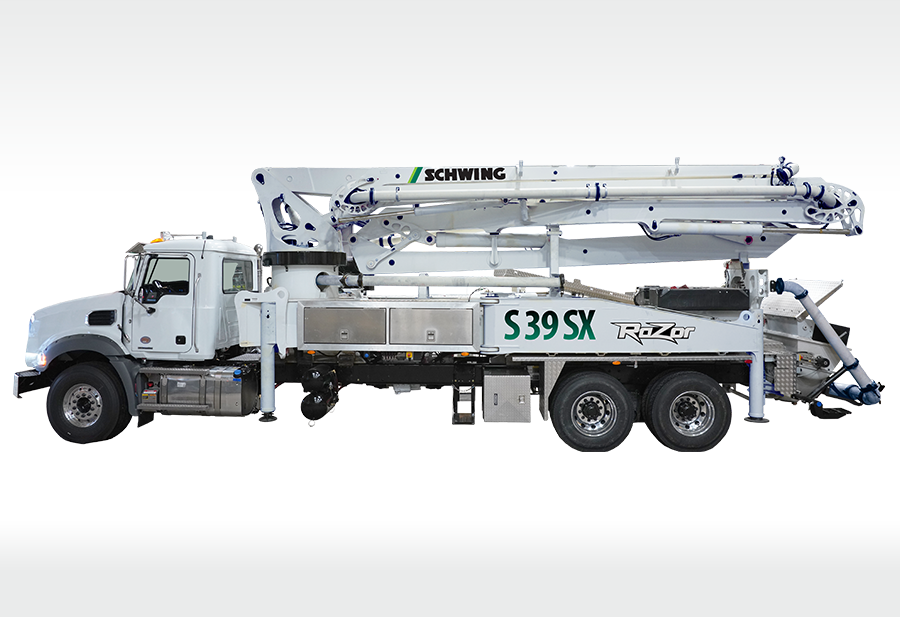
These structures apply to concrete boom pumps , truck-mounted units , line pumps , and virtually any other concrete pumping equipment that can be leased. The principles are the same regardless of machine size or type.
FMV Lease: Lower Payments, Open End An FMV lease, also called an operating lease or fair market value lease, is structured so that the monthly payment covers the use of the machine over the lease term but does not fully pay off the equipment's cost. The lender retains the residual value risk. When the pump lease closes, you can purchase the machine at its then-current fair market value, renew the lease for another term (usually at a lower payment for an older machine), or return the equipment.
Because the residual is open (not pre-funded through your monthly payments), the monthly payment is lower than a dollar buyout lease on the same machine. For a $600,000 boom pump on a 48-month term, an FMV lease might carry a payment several hundred dollars per month lower than a dollar buyout structure. Over 48 months, that compounds to a meaningful difference in cash flow.
The risk in an FMV lease is market volatility. If the machine depreciates more than expected, the fair market value at end of term might be lower than you hoped to pay. If you want the machine, you still pay fair market value, which could be more or less than you anticipated when you signed. Concrete pumping service companies that regularly cycle their fleet through on a 4-5 year refresh often prefer FMV leases precisely because the end-of-term decision is flexible.
Dollar Buyout Lease: Higher Payments, Guaranteed Ownership A dollar buyout lease, also called a capital lease or finance lease, is structured so that you pay the full value of the machine over the lease term, minus the nominal $1 buyout. The lender prices no residual risk into the deal; you are paying for the whole machine. When the term ends, you hand over $1 and the title transfers to you.
Monthly payments are higher than an FMV lease on the same machine. This is not a penalty; it is the math of paying off more of the asset each month. An operator who knows they will run a 52-meter boom pump for eight years might sign a 60-month dollar buyout lease, own the machine free and clear at month 60, and run it payment-free for the next three years. The higher payment during the lease period is the price of that ownership outcome.
Dollar buyout leases are treated more like purchase financing for accounting and tax purposes. You typically carry the asset on your balance sheet and can depreciate it. Section 179 and bonus depreciation may apply. The payments may not qualify as a full operating expense deduction the way FMV lease payments might. Your CPA sorts this out for your specific structure.
Choosing the Right Structure for Your Plan The decision flows from one question: do you plan to keep this machine or replace it at the end of the term?
If you are buying a 42-meter boom pump for a specific project window and expect to upgrade to a larger reach unit in three years as your contracts grow, an FMV lease gives you the lower payment and the upgrade path. Return the 42-meter, lease a 47-meter unit , stay current with the work.
If you are buying the machine that will be your primary revenue generator for the next decade, a dollar buyout lease locks in the ownership outcome. You know exactly what you will have paid at the end and you own the iron. Owner-operators who want to build equity in their machine and keep it working long after the payment ends usually choose the dollar buyout structure.
Location matters too. Operators in high-growth markets like Atlanta , Charlotte, or Austin with strong utilization rates often find that the higher dollar buyout payment is easily absorbed by strong revenue, making the ownership at the end more attractive than the marginal monthly savings of an FMV lease.
Running the Numbers Side by Side To compare the two structures honestly, you need to look at total cost of use over the period you actually plan to keep the machine. FMV lease comparisons must account for the end-of-term purchase price if you intend to buy. Add 48 months of lower FMV payments plus the likely fair market value buyout, and compare that to 48 months of higher dollar buyout payments plus $1. In most scenarios on a machine you plan to keep, the total outlay is similar or the dollar buyout comes out slightly ahead.
Where FMV wins clearly is when you return the machine at the end. You pay for the use only, hand it back, and walk away. For operators who rent their fleet regularly and never intend to hold machines long-term, the lower FMV payment over multiple cycles adds up to real savings.
Ask us to run both structures on your specific deal before you decide. The payment difference on paper is the starting point, not the end of the conversation.
See Both Structures on Your Machine Give us the machine you are looking at and we will show you the FMV payment versus the dollar buyout payment side by side. Most operators make their decision in about five minutes once they see the numbers and think through their plan for the machine. Let us build that comparison for you.
Common questions What determines the fair market value at the end of an FMV lease? The lender typically uses a combination of third-party appraisals, market data for comparable used equipment sales, and the machine's actual condition at return. It is not the same as what you hoped or expected at signing. Machine condition, hours, maintenance history, and market conditions at that time all factor in. Some leases include a purchase price cap that protects you from significant FMV increases.
Can I refinance out of an FMV lease into a loan if I decide I want to keep the machine? Possibly. If the machine's value at mid-lease supports a loan, and your credit and business financials qualify, you can sometimes do a buyout of the lease residual financed through a new loan. This is not always the most efficient path depending on how much of the lease term remains and what the lender charges for early termination.
Does a dollar buyout lease affect my ability to get other equipment financing? A dollar buyout lease appears on your balance sheet as a liability (similar to a loan). This increases your total debt obligations, which affects your debt-to-income ratios. That said, the machine also appears as an asset, partially offsetting the liability. Specialty equipment lenders understand this and typically look at the net picture rather than just total debt.
Are there hybrid lease structures between FMV and dollar buyout? Yes. Some lenders offer fixed residual leases where the buyout price is set at signing rather than floating to fair market value. This gives you the lower payment profile of an FMV lease but the certainty of knowing exactly what you will pay if you want to buy. Terms vary by lender; not every lender in the market offers this structure.
My accountant wants to keep the pump off the balance sheet. Which lease type does that? An operating (FMV) lease traditionally allows off-balance-sheet treatment under older accounting standards. However, accounting rules under ASC 842 (effective for most companies in 2019 and later) require most leases to appear on the balance sheet as right-of-use assets and liabilities regardless of FMV vs. dollar buyout structure. Confirm with your accountant how your company's specific situation is treated under current rules.
Common Questions on FMV vs. Dollar Buyout Lease for Concrete Pumps Straight answers before you send the equipment file.
What determines the fair market value at the end of an FMV lease? The lender typically uses a combination of third-party appraisals, market data for comparable used equipment sales, and the machine's actual condition at return. It is not the same as what you hoped or expected at signing. Machine condition, hours, maintenance history, and market conditions at that time all factor in. Some leases include a purchase price cap that protects you from significant FMV increases.
Can I refinance out of an FMV lease into a loan if I decide I want to keep the machine? Possibly. If the machine's value at mid-lease supports a loan, and your credit and business financials qualify, you can sometimes do a buyout of the lease residual financed through a new loan. This is not always the most efficient path depending on how much of the lease term remains and what the lender charges for early termination.
Does a dollar buyout lease affect my ability to get other equipment financing? A dollar buyout lease appears on your balance sheet as a liability (similar to a loan). This increases your total debt obligations, which affects your debt-to-income ratios. That said, the machine also appears as an asset, partially offsetting the liability. Specialty equipment lenders understand this and typically look at the net picture rather than just total debt.
Are there hybrid lease structures between FMV and dollar buyout? Yes. Some lenders offer fixed residual leases where the buyout price is set at signing rather than floating to fair market value. This gives you the lower payment profile of an FMV lease but the certainty of knowing exactly what you will pay if you want to buy. Terms vary by lender; not every lender in the market offers this structure.
My accountant wants to keep the pump off the balance sheet. Which lease type does that? An operating (FMV) lease traditionally allows off-balance-sheet treatment under older accounting standards. However, accounting rules under ASC 842 (effective for most companies in 2019 and later) require most leases to appear on the balance sheet as right-of-use assets and liabilities regardless of FMV vs. dollar buyout structure. Confirm with your accountant how your company's specific situation is treated under current rules.
Get Terms on FMV vs. Dollar Buyout Lease for Concrete Pumps Tell us what you are buying, who is selling it, and when you need it earning. We will review the file and point you to the next step.