Concrete Pumping Contractors Program overview
Pricing basis: boom reach, hours, resale strength
Application-only: up to $500,000
Sellers: dealer, auction, or private party
Turnaround: same business day
Get a Quote Back to list
Pour day is not the day to wish you had a bigger truck. Concrete pumping contractors run lean schedules, and the pump showing up matters as much as the mix arriving on time. We finance dedicated concrete pumping businesses, from one-truck owner-operators bidding residential jobs to regional fleets servicing high-rise towers, and we know the difference between what a concrete boom pump costs on paper and what it earns on a real dispatch calendar.
Our minimum is $50,000. Our sweet spot is $100,000 to $150,000 and above, which lines up cleanly with the mid-range booms that most pumping contractors reach for first. Applications up to roughly $400,000 can often close on the application alone, no full financial package required, and funding typically lands in about one to two weeks. That pace matters when a unit sells fast or a job window opens unexpectedly.
Who We Work With in Concrete Pumping Concrete pumping is a specialized trade, and the businesses that run it vary more than outsiders expect. We work with:
Dedicated pumping contractors who own the pump and contract to the pour, separate from the ready-mix supply Contractors adding a second or third unit to handle multiple simultaneous pours Owner-operators stepping up from a line pump to their first boom truck Established regional companies refinancing older iron to pull equity or lower monthly payments New entrants to the pumping trade who have construction experience but a short equipment credit history The common thread is that every one of these buyers needs a lender who understands that the equipment earns by the yard, and that payment schedules should respect how pumping revenue actually arrives.
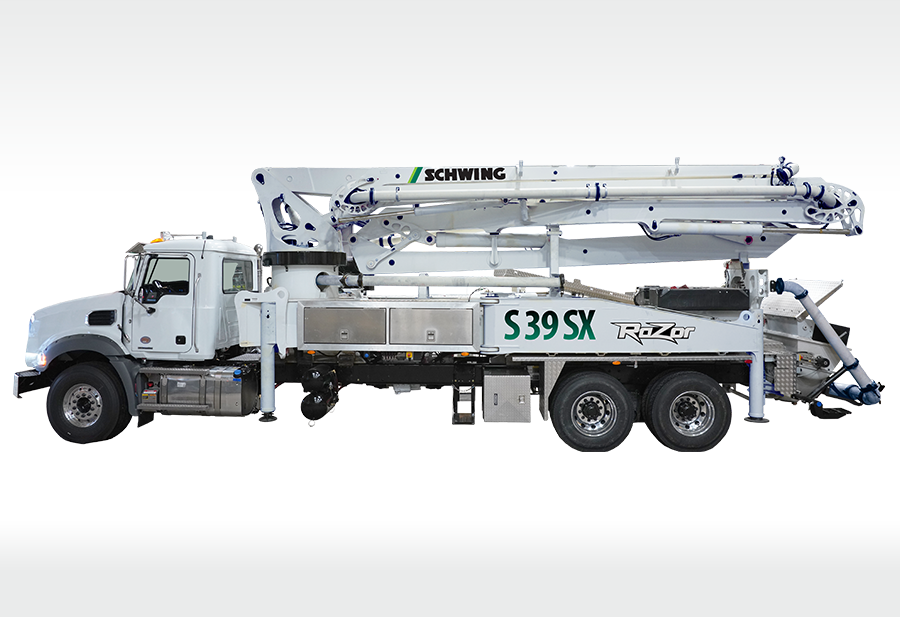
The Equipment That Drives the Business Boom lengths and pump output specs are real purchase decisions, not just spec-sheet details. A 36-meter boom handles most residential and light commercial pours. A 47-meter unit opens up mid-rise work and long horizontal reaches. Contractors moving into commercial high-rise territory are often looking at 52-meter and longer booms, which carry higher price tags and demand more scrutiny from lenders unfamiliar with the asset class.
Used iron is a legitimate first purchase or fleet addition. A well-maintained pump from a reputable manufacturer with documented service history can be a smart buy at a fraction of new-unit pricing, and we finance used equipment without the unnecessary friction many banks attach to older assets. We also finance remounts, parts packages, and hose-and-pipeline sets that complete a truck's working kit.
What Approval Actually Requires Most contractors who call us have heard a bank say no already, or they have been told their credit profile needs work before a traditional lender will engage. We look at the full picture. A pumping contractor with solid dispatch history, real revenue, and a pump that holds its value is a fundamentally different credit story than a generic small-business applicant, and we price accordingly.
For the straightforward application-only path, the paperwork is minimal: basic business and ownership information, the equipment details, and confirmation of time in business. For larger transactions, three months of bank statements usually tells us what we need to know about cash flow and payment capacity. B and C credit profiles are considered. We are not a bank, and we do not underwrite like one.
Contractors exploring a refinance on an existing unit or a concrete pump sale-leaseback to pull working capital can discuss both options on the same call.
How Fast This Actually Moves The sequence is straightforward. You submit an inquiry, we confirm the equipment and transaction details, and we identify the right lender path from our network. Pre-approval can come back the same day on clean applications. Docs go out within a few days after that, and once everything is signed and the lender funds, you take delivery.
Total time from first contact to funded is typically one to two weeks. That is the expectation we set because that is what the market demands when a pump becomes available or a scheduled delivery date is firm. Pumping contractors in active markets like Houston and Dallas often have zero room for a slow funding process, and our process is designed for that reality.
Understanding Your Payment and Ownership Structure Loan terms for concrete pumping equipment typically run 36 to 72 months. Longer terms lower the monthly payment, which matters early in a business's growth when utilization is still building. Shorter terms reduce total interest cost and build equity faster, which matters for contractors who want to refinance or sell-and-upgrade in three to four years.
The ownership question matters here too. A fair-market-value lease versus a dollar-buyout lease is a real choice with different financial outcomes at end of term. An FMV lease gives you flexibility to return the unit or buy it at market value, which makes sense if you plan to cycle equipment frequently. A dollar-buyout lease or a standard loan structure gives you the asset at the end for a nominal amount, which suits operators who plan to run the same truck for ten years and want it free and clear.
Tax strategy also enters the picture. Section 179 and bonus depreciation rules allow you to deduct a significant portion of the purchase price in the year the equipment is placed in service. The interaction between your loan structure and your depreciation strategy is worth a conversation with your accountant before the deal closes.
Questions We Hear From Pumping Contractors
Common questions Can I finance a used boom pump with high hours? Yes. We work with lenders who are comfortable with used pumping equipment, including higher-hour units, as long as the machine has a documented service history and is from a recognized manufacturer. The condition inspection and any existing liens are the key factors, not the odometer alone.
My business is two years old but I have strong revenue. Will that count? Two years in business is typically enough history to qualify for most programs, especially if your bank statements show consistent dispatching revenue. We will look at actual cash flow, not just your credit score.
Can I use a sale-leaseback to pull cash from a pump I own outright? Yes. A sale-leaseback lets you sell the unit to a lender and lease it back, converting equity to working capital while keeping the truck on your dispatch board. Minimum value thresholds apply, and the unit needs to be lien-free or near payoff.
Does applying hurt my credit? An initial inquiry is typically a soft pull. A formal application for credit involves a hard inquiry, which is standard practice. We discuss this before submitting to any lender.
I am buying from a private seller, not a dealer. Is that a problem? Private-party purchases are handled through our private-party program. We verify the VIN, confirm title is clear, and coordinate the payoff directly. It adds a step but it is very common in the pumping equipment market.
I run mostly residential pours. Does the type of work affect what I qualify for? The type of work does not restrict what programs you can use. Residential pumping revenue is real revenue and bank statements that show consistent dispatching income support the application regardless of the pour type. Some lenders appreciate the high dispatch frequency that residential work produces.
Common Questions on Concrete Pumping Contractors Straight answers before you send the equipment file.
Can I finance a used boom pump with high hours? Yes. We work with lenders who are comfortable with used pumping equipment, including higher-hour units, as long as the machine has a documented service history and is from a recognized manufacturer. The condition inspection and any existing liens are the key factors, not the odometer alone.
My business is two years old but I have strong revenue. Will that count? Two years in business is typically enough history to qualify for most programs, especially if your bank statements show consistent dispatching revenue. We will look at actual cash flow, not just your credit score.
Can I use a sale-leaseback to pull cash from a pump I own outright? Yes. A sale-leaseback lets you sell the unit to a lender and lease it back, converting equity to working capital while keeping the truck on your dispatch board. Minimum value thresholds apply, and the unit needs to be lien-free or near payoff.
Does applying hurt my credit? An initial inquiry is typically a soft pull. A formal application for credit involves a hard inquiry, which is standard practice. We discuss this before submitting to any lender.
I am buying from a private seller, not a dealer. Is that a problem? Private-party purchases are handled through our private-party program. We verify the VIN, confirm title is clear, and coordinate the payoff directly. It adds a step but it is very common in the pumping equipment market.
I run mostly residential pours. Does the type of work affect what I qualify for? The type of work does not restrict what programs you can use. Residential pumping revenue is real revenue and bank statements that show consistent dispatching income support the application regardless of the pour type. Some lenders appreciate the high dispatch frequency that residential work produces.
Get Terms on Concrete Pumping Contractors Tell us what you are buying, who is selling it, and when you need it earning. We will review the file and point you to the next step.