Private-Party Purchase Financing for Concrete Pumps Program overview
Pricing basis: boom reach, hours, resale strength
Application-only: up to $500,000
Sellers: dealer, auction, or private party
Turnaround: same business day
Get a Quote Back to list
The best deal on a used concrete boom pump is often sitting in another contractor's yard. Operators upgrade, retire, or downsize, and the machine they walk away from is exactly what someone else needs. These private-party transactions happen constantly in the pumping world. The financing for them is a bit more involved than buying from a dealer, but it is far from impossible when the right lender handles it.
We finance private-party pump purchases from $50,000 up. The extra steps compared to a dealer transaction are manageable: a title search, a brief inspection in most cases, and documentation showing the seller has clear ownership to transfer. Once those pieces are in place, the deal closes like any other equipment loan.
How Private-Party Financing Closes A dealer transaction is clean because dealers maintain title records and handle the paperwork as a matter of course. A private-party transaction requires the buyer and lender to verify what a dealer handles automatically. Here is how the process runs:
Identify the machine and agree on purchase price with the seller Submit your financing application with the purchase agreement or letter of intent Lender orders a lien search on the machine's VIN to confirm no outstanding financing Lender arranges or requires a brief inspection (condition report, sometimes photos suffice on recent-vintage machines) Lender establishes value and approves the advance amount Funding closes: lender pays the seller directly, you take title The key step is the lien search. If the seller still owes money on the machine, the lender must confirm the existing lien will be paid off at closing. The lender typically handles this by disbursing funds in a specific order: the existing lienholder first, the seller for any remaining proceeds. This protects all parties and ensures clean title transfers to you.
Evaluating the Machine Before You Commit A dealer inspects, certifies, and warranties their inventory. In a private-party deal, that due diligence is yours. Before you submit financing paperwork, do the basics:
Check the machine's history. A call to the manufacturer's service network can sometimes confirm major service history. If the seller has service records, get copies. Hours on the pump end (not just the chassis) matter. A truck-mounted boom pump chassis might show 120,000 miles, but the pump end running hours tell a different story about maintenance needs.
Inspect the boom sections, hydraulic hoses and fittings, the pump end valve wear, and the outrigger pads and locking mechanisms. These are the systems that fail expensively. A brief pre-purchase inspection by a qualified pump technician, which typically costs a few hundred dollars, can save you from a very expensive surprise post-funding.
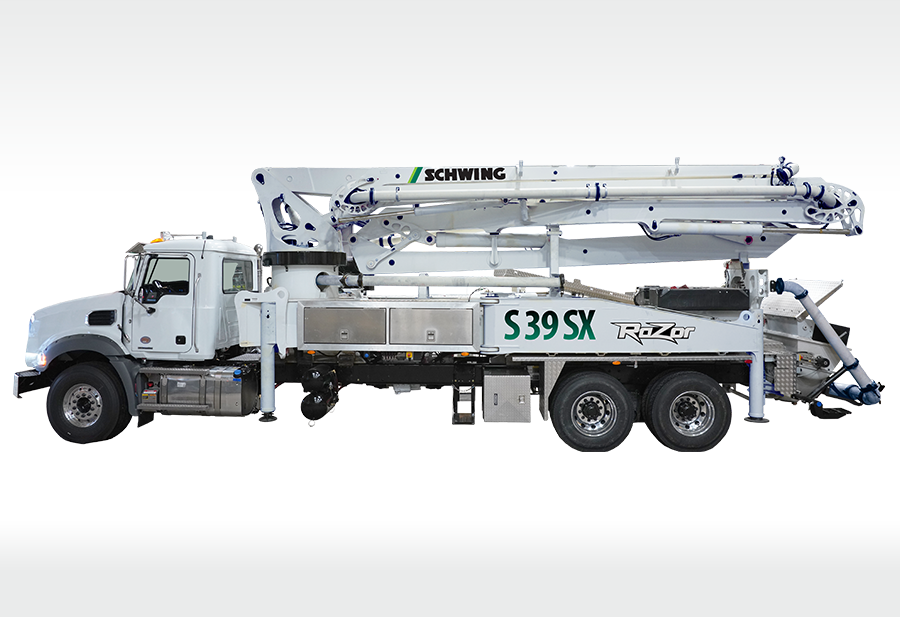
Brand matters in private-party deals too. Machines from Putzmeister , Schwing , and Alliance Concrete Pumps have active parts networks and trained service technicians in most markets. Less common brands can be harder and more expensive to maintain, and lenders know this. A common brand with a strong secondary market gets a better advance rate from the lender.
Documentation Package for Private-Party Financing The document list is slightly longer than a dealer deal. You will need: a completed credit application, three months of business bank statements, a signed purchase agreement between you and the seller, the seller's current title or documentation of their title position, a lien search result (the lender orders this but may ask you to pull current UCC records for a preliminary look), and an equipment inspection report or detailed photos.
Deals up to approximately $400,000 can often process on an application-only basis for the borrower side, meaning no tax returns. The additional documentation load in a private-party deal comes from the asset side, not the borrower side. If your credit is clean and the machine checks out, the deal closes in roughly the same timeframe as a dealer transaction, one to two weeks from complete application.
For Owner-Operators & Single-Truck Pumpers and concrete pumping contractors buying from a fellow operator they know personally, having that relationship often speeds up the documentation gathering. The seller wants to close quickly and will cooperate on getting title paperwork organized.
Where to Find Private-Party Pump Deals The used concrete pump market operates through several channels. Online equipment marketplaces list dealer and private-party inventory together. Industry auction events move large volumes of used equipment, often from contractor closures, fleet downsizing, or estate situations. Word of mouth within the pumping community, particularly through regional pumping associations, surfaces deals that never hit the public market.
Markets with high construction activity tend to have active used pump markets. Operators in Miami , Seattle , and Chicago all have active construction markets that generate used equipment turnover regularly. Paying attention to who is upgrading and who is retiring in your local market often surfaces the best private-party deals before they go public.
On pricing: private-party sellers often price their machines below dealer retail because they lack the warranty, reconditioning, and marketing overhead a dealer carries. The savings are real. The due diligence burden is also real. A machine priced 15 percent below dealer market is only a deal if the condition and title position are clean.
Found a Deal? Let Us Run the Financing Send us the machine details and the price you agreed on. We will tell you quickly whether it is financeable and what we need from the seller to close. Private-party deals move at the pace of the paperwork, and we help you keep it moving.
Common questions The seller still owes money on the machine. Can we still close the deal? Yes, as long as the purchase price is enough to pay off the outstanding balance. The lender coordinates a payoff directly to the existing lienholder at closing. You need a current payoff figure from the seller's lender. If the purchase price is less than the payoff, the seller needs to bring cash to the closing to make up the difference.
The seller does not have a clear title, only a bill of sale from when they bought it. What happens? This is a title problem that needs to be resolved before financing can close. The seller needs to obtain a proper title to transfer to you. In some states this requires a bonded title process if the original is lost. It is solvable but it adds time. Do not fund before title is clear.
Can I get the machine inspected through the manufacturer's service network? Yes, and that is often the best option. Major manufacturers have authorized service dealers who know the specific pump systems and can give a credible report on wear and remaining service life. The cost is worth it on any machine over $100,000.
What if the inspection reveals problems after I have already agreed on price? The inspection comes before closing. If the inspection reveals significant problems, you have the right to renegotiate the price or walk away before funds are disbursed. This is exactly why you want the inspection before the closing, not after. Structure your purchase agreement to include a financing and inspection contingency.
How quickly can a private-party deal close versus a dealer deal? A dealer deal with clean credit can close in as little as 5-7 business days. A private-party deal typically runs 10-15 business days because of the additional title verification and inspection steps. Having the seller's title documents, lien information, and service records organized at the start saves several days of back-and-forth.
Common Questions on Private-Party Purchase Financing for Concrete Pumps Straight answers before you send the equipment file.
The seller still owes money on the machine. Can we still close the deal? Yes, as long as the purchase price is enough to pay off the outstanding balance. The lender coordinates a payoff directly to the existing lienholder at closing. You need a current payoff figure from the seller's lender. If the purchase price is less than the payoff, the seller needs to bring cash to the closing to make up the difference.
The seller does not have a clear title, only a bill of sale from when they bought it. What happens? This is a title problem that needs to be resolved before financing can close. The seller needs to obtain a proper title to transfer to you. In some states this requires a bonded title process if the original is lost. It is solvable but it adds time. Do not fund before title is clear.
Can I get the machine inspected through the manufacturer's service network? Yes, and that is often the best option. Major manufacturers have authorized service dealers who know the specific pump systems and can give a credible report on wear and remaining service life. The cost is worth it on any machine over $100,000.
What if the inspection reveals problems after I have already agreed on price? The inspection comes before closing. If the inspection reveals significant problems, you have the right to renegotiate the price or walk away before funds are disbursed. This is exactly why you want the inspection before the closing, not after. Structure your purchase agreement to include a financing and inspection contingency.
How quickly can a private-party deal close versus a dealer deal? A dealer deal with clean credit can close in as little as 5-7 business days. A private-party deal typically runs 10-15 business days because of the additional title verification and inspection steps. Having the seller's title documents, lien information, and service records organized at the start saves several days of back-and-forth.
Get Terms on Private-Party Purchase Financing for Concrete Pumps Tell us what you are buying, who is selling it, and when you need it earning. We will review the file and point you to the next step.