Working Capital vs. Equipment Financing for Concrete Pump Operators Program overview
Pricing basis: boom reach, hours, resale strength
Application-only: up to $500,000
Sellers: dealer, auction, or private party
Turnaround: same business day
Get a Quote Back to list
Two operators in nearly identical situations walk away from very different financing products and both get what they needed. One needed a machine; she got an equipment loan. The other needed cash to cover mobilization while waiting for the previous job to pay; he got a working capital line. Mixing these up, using a machine loan to solve a cash flow problem or a working capital line to buy iron, costs money and creates stress. The right tool for the right problem matters.
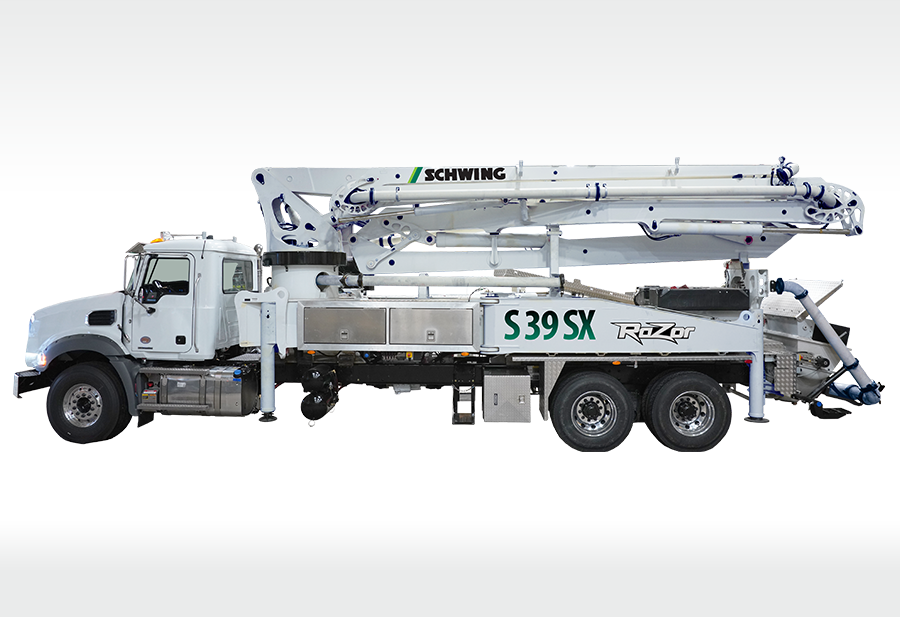
For operators running concrete boom pumps and truck-mounted units , the distinction between these two products comes up constantly. Let us walk through what each is for, where they overlap, and how to know which problem you are actually trying to solve.
Equipment Financing: The Machine-as-Collateral Structure Equipment financing is a loan or lease secured by the specific piece of equipment being purchased. The machine is the collateral. If the loan goes sideways, the lender takes the machine. Because the collateral is tangible and liquid (concrete pumps have a real secondary market), lenders can advance a high percentage of the machine's value at reasonable rates and terms.
The purpose of equipment financing is capital acquisition, getting new iron into service that generates revenue. A 42-meter boom pump at $500,000 financed over 60 months costs a fixed monthly payment. The machine generates revenue month after month. The math should show the machine more than covering its own payment, with room for operating costs and margin.
Equipment loans and leases from $50,000 to multi-million-dollar fleet packages fall in this category. They fund the purchase, refinance, or leaseback of specific, identifiable pieces of equipment. They do not fund payroll, fuel, maintenance, or the gap between billing a job and getting paid for it.
Working Capital: Solving the Cash Gap Problem Construction work, including concrete pumping, runs on a billing cycle that does not match the operating expense cycle. You pour the concrete on Tuesday. You invoice by Friday. The GC pays net-30 or net-45, sometimes net-60. Your fuel bill comes Monday. Your operator's payroll comes Friday. The machine does not know you have not been paid yet.
Working capital financing bridges that gap. It is not secured by a specific asset the same way an equipment loan is. It is often structured as a revolving line of credit, a short-term term loan, or in some cases a merchant cash advance. The purpose is operational: keeping the business running between jobs being done and jobs being paid for.
Concrete pumping service companies that do high volume and carry receivables tend to need working capital tools alongside their equipment financing. The equipment loan bought the machine. The working capital line keeps the lights on while the GC processes the invoice.
Working capital facilities are typically shorter term, higher cost (rate-wise), and structured differently from equipment debt. They are priced for the operational use case, not the long-term capital acquisition use case. Using a working capital product to buy a machine is almost always more expensive than equipment financing for the same purchase.
Knowing Which Problem You Have The diagnostic question is simple: are you trying to own something, or are you trying to manage cash timing? If the goal is adding a line pump or a second boom truck to your fleet, that is an equipment financing problem. The machine is the asset; the loan or lease funds the acquisition.
If the goal is covering payroll while you wait for last month's pour to pay, or funding a large mobilization for a new commercial project, that is a cash flow problem. Working capital tools, a line of credit, a factoring arrangement, or a short-term loan against your receivables, solve that faster and more efficiently than an equipment deal.
The confusion happens when operators use equipment refinancing to pull cash out for operating needs. A cash-out equipment refinance can provide working capital, but it is secured by the machine and priced at equipment loan rates. For a one-time large cash need, it may be the right answer. For ongoing operational cash flow, a revolving line is usually better because you pay interest only on what you draw.
Owner-operators often have both needs simultaneously. Buying the first pump is an equipment deal. Managing cash flow between pours is a working capital need. They are solved by different products from different parts of the lending market.
How These Products Stack in a Real Business Mature concrete pumping businesses typically carry both: an equipment loan or lease on each machine in the fleet, plus a working capital line that provides operational flexibility. The equipment debt is long-term, fixed, and tied to specific assets. The working capital line is revolving, short-term, and used as needed.
Adding the second type of debt does not automatically weaken the balance sheet if the cash flows support both. The key question is debt service coverage: does the business generate enough to pay both obligations comfortably? For commercial construction operators with consistent utilization and strong receivables, the answer is usually yes.
For businesses that only need the machine, an equipment loan or equipment lease on the pump is the right starting point. Adding working capital products comes later, once the business is generating the receivables that make a working capital line useful and cost-effective.
Not Sure Which Financing Fits? Let Us Walk Through It Tell us what you are trying to accomplish, buy a machine, cover operations, pull equity, add a truck, and we will point you to the right product for the problem. We would rather match you to the right structure than close a deal that does not actually solve what you needed.
Common questions Can I get both an equipment loan and a working capital line at the same time? Yes. They are different products from different parts of the lending market. Your equipment loan is secured by the pump. A working capital line is underwritten on your business revenue and receivables. Many operators carry both without issue as long as the total debt service fits the business cash flow.
I have a large deposit requirement for a new contract. Is that working capital or equipment financing? That is a working capital need. You are funding an operating cost, a contract mobilization, not buying an asset. Equipment financing is the wrong structure for that, even though the contract will generate long-term revenue. A short-term working capital loan or a draw on a revolving line fits better.
Can I use a sale-leaseback on my pump to generate working capital? Yes, and operators do this. The leaseback converts equity in the machine to a cash lump sum, and then you pay that equity back through lease payments. It is one of the more efficient ways to generate working capital from a paid or mostly-paid piece of equipment. The tradeoff is that you no longer own the machine during the lease period.
My bank offers a business line of credit. How is that different from equipment financing? A bank line of credit is typically unsecured or secured by business assets in general (accounts receivable, inventory). Equipment financing is secured specifically by the machine. Bank lines are flexible for operational use. Equipment loans are structured for the acquisition timeline and depreciation schedule of specific assets. Rates and terms differ accordingly.
I want to buy a second pump but also need cash for operations. Can I structure both in one deal? Sometimes. A cash-out structure on an existing machine can provide operating capital at closing while a separate equipment loan funds the new machine. Or a slightly larger loan on the new machine might leave proceeds for working capital, depending on the lender and the deal. We look at the combined need and structure it as efficiently as possible.
Common Questions on Working Capital vs. Equipment Financing for Concrete Pump Operators Straight answers before you send the equipment file.
Can I get both an equipment loan and a working capital line at the same time? Yes. They are different products from different parts of the lending market. Your equipment loan is secured by the pump. A working capital line is underwritten on your business revenue and receivables. Many operators carry both without issue as long as the total debt service fits the business cash flow.
I have a large deposit requirement for a new contract. Is that working capital or equipment financing? That is a working capital need. You are funding an operating cost, a contract mobilization, not buying an asset. Equipment financing is the wrong structure for that, even though the contract will generate long-term revenue. A short-term working capital loan or a draw on a revolving line fits better.
Can I use a sale-leaseback on my pump to generate working capital? Yes, and operators do this. The leaseback converts equity in the machine to a cash lump sum, and then you pay that equity back through lease payments. It is one of the more efficient ways to generate working capital from a paid or mostly-paid piece of equipment. The tradeoff is that you no longer own the machine during the lease period.
My bank offers a business line of credit. How is that different from equipment financing? A bank line of credit is typically unsecured or secured by business assets in general (accounts receivable, inventory). Equipment financing is secured specifically by the machine. Bank lines are flexible for operational use. Equipment loans are structured for the acquisition timeline and depreciation schedule of specific assets. Rates and terms differ accordingly.
I want to buy a second pump but also need cash for operations. Can I structure both in one deal? Sometimes. A cash-out structure on an existing machine can provide operating capital at closing while a separate equipment loan funds the new machine. Or a slightly larger loan on the new machine might leave proceeds for working capital, depending on the lender and the deal. We look at the combined need and structure it as efficiently as possible.
Get Terms on Working Capital vs. Equipment Financing for Concrete Pump Operators Tell us what you are buying, who is selling it, and when you need it earning. We will review the file and point you to the next step.