New-Business and Startup Financing for Concrete Pumps Program overview
Pricing basis: boom reach, hours, resale strength
Application-only: up to $500,000
Sellers: dealer, auction, or private party
Turnaround: same business day
Get a Quote Back to list
The machine is the business. For a first-time concrete pump operator, there is no revenue until there is a pump on the road, and there is no pump on the road without financing. That circular problem is real, and it stops a lot of capable operators from getting started. The answer is not to wait two years until a bank feels comfortable. The answer is a lender who understands that the operator's experience and creditworthiness matter as much as the business's age.
We structure startup and new-business deals for operators entering concrete pumping contracting who have the skill set, the contacts, and the personal credit to make a business work. The machine provides the collateral. Your history provides the confidence. Together, those two things are enough to structure a deal in many situations.
What Startup Pump Financing Actually Requires Startup and new-business financing is more underwriter-driven than a standard deal. There is no three-year profit and loss to lean on, so lenders look at three other pillars: the strength of personal credit, the quality of the collateral, and evidence that the business has a realistic path to revenue.
Personal credit is the primary lever. A personal FICO score above 680 opens more options. Above 700 opens most of the market. Below 650 is difficult but not impossible, particularly if the other two pillars are strong. If personal credit needs work, it is worth taking 60 to 90 days to clean up obvious reporting errors before applying.
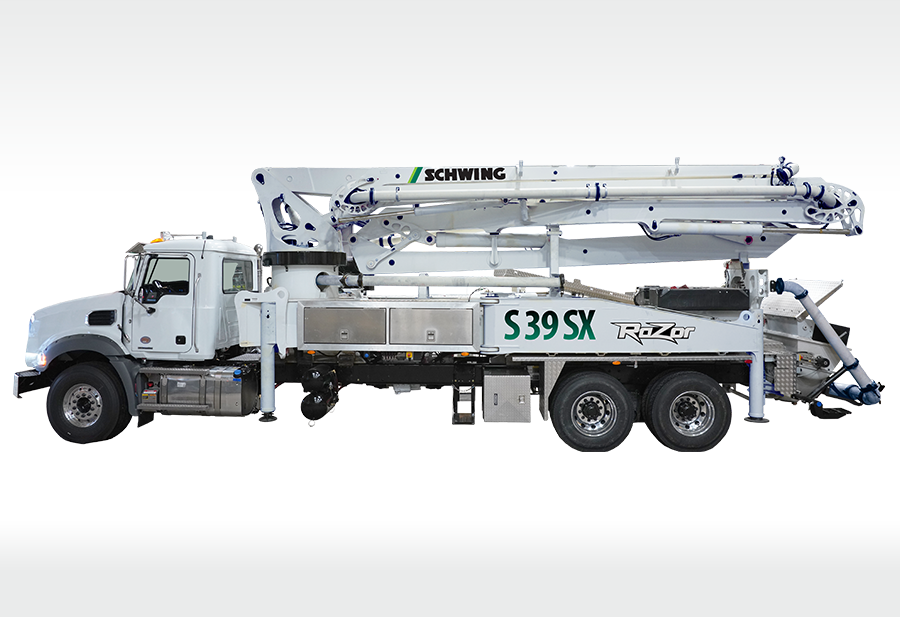
Collateral quality matters a lot in a startup deal. Lenders get more comfortable when the machine is a recognizable brand with a proven secondary market. A truck-mounted boom pump from Schwing or Putzmeister gives the lender collateral they can sell if needed. That comfort translates to better terms for the borrower.
Evidence of revenue path includes: signed contracts or letters of intent from contractors or ready-mix producers, prior employment in the pumping industry, or existing relationships with general contractors. None of these are required in every case, but they reinforce the narrative that the business will generate income.
Operators This Structure Is Built For The startup deal works best for a specific profile. Someone who has spent five to ten years operating or supervising pumps for another company, has strong personal credit, and is ready to go out on their own. They know the pours, they have the contacts, they know how to maintain the machine. What they lack is a two-year business tax return, which most banks require before they take the meeting seriously.
Single-truck owner-operators launching out of the residential or light commercial space often fit this profile. So do operators in markets where new construction activity is strong and work is available but equipment is the bottleneck. Markets like Dallas , Phoenix , and Houston have enough construction volume that a capable operator with a good machine can build a client base quickly.
The startup path is also available for existing businesses that are technically young, operators who started a company 12 to 18 months ago and want to add their first pump. Not quite a startup, not quite a seasoned operation. Those deals often fall in between and we handle them the same way: look at what you have, find the best structure available, and get you funded.
What to Expect on Rates and Terms as a Startup Startup deals carry higher rates than deals from established operators with two or three years of strong financials. That is simply the pricing of risk. The range varies widely based on personal credit and machine quality, and we do not quote rates on a page because the spread is too large to be meaningful. What we can say is that a startup operator with strong personal credit and a quality machine will find the market more competitive than they expect.
Terms tend to be shorter on startup deals, 36 to 60 months rather than the 72 to 84 that a seasoned operator might achieve. This keeps the monthly payment higher but reduces the total interest exposure. Many operators refinance after 18 to 24 months of business operation, once they have a financial track record, and often improve their rate significantly at that point. The startup financing is not forever; it is the bridge to the better deal on the other side.
Down payment requirements vary. Some startups require 10 to 15 percent down. Strong personal credit can sometimes achieve a no-money-down structure, particularly on newer equipment. See our no-money-down financing page for how that works and when it applies.
Startup Application Process The application for a startup deal covers more ground than a standard deal. Be ready to provide: completed credit application with personal and business information, last two years of personal tax returns (business returns if they exist), three months of personal bank statements (business if available), current personal financial statement, invoice or purchase agreement for the equipment, and any supporting evidence of revenue prospects.
Underwriting takes a bit longer because there is more to assess. Standard startup deals run 10 to 15 business days from complete application. Having everything organized before you submit speeds things up and signals that you are running a real operation, not scrambling to gather paperwork at the last minute.
Start the Conversation About Your First Pump Tell us about yourself, your experience in the industry, and the machine you are looking at. We will give you an honest read on what is achievable and what terms look like for your specific situation. More operators get funded than expect to.
Common questions I just formed my LLC last month. Am I too new to apply? No. Entity age by itself is not a disqualifier. What we look at is the total picture: your personal credit, your personal financial strength, your industry experience, and the machine's value as collateral. Operators who are genuinely new to the industry (no pumping background) are harder to place. Operators with experience who just formed a company are a different conversation.
Can my spouse co-sign to improve our chances? Yes. A co-signer with strong personal credit can significantly improve the deal. Both parties go through the credit review. The co-signer needs to understand they are equally on the hook for the obligation. When the deal is structured correctly and the business performs, the co-sign typically comes off at refinancing after two years of history.
Do I need contracts in hand before I apply? No, but having them helps. A signed contract or letter of intent from a contractor willing to use your pump is powerful evidence that revenue is real. If you have relationships but no paper yet, that is okay. The personal credit and collateral can carry the deal in many situations.
What size pump should a startup operator be looking at? That depends on your market and the work available. Residential foundation and slab work often starts with a 32-meter or 36-meter truck-mounted unit. Light commercial work may want a 42-meter or larger. The right machine matches the most common jobs in your target market. We can talk through this as part of the financing conversation.
How soon after startup can I refinance into better terms? Most lenders want to see 18 to 24 months of business operation with solid bank statement history before considering a refinance. If you have been making payments on time and your business bank statements show good cash flow, that window can sometimes be as short as 12 months on the right deal.
Common Questions on New-Business and Startup Financing for Concrete Pumps Straight answers before you send the equipment file.
I just formed my LLC last month. Am I too new to apply? No. Entity age by itself is not a disqualifier. What we look at is the total picture: your personal credit, your personal financial strength, your industry experience, and the machine's value as collateral. Operators who are genuinely new to the industry (no pumping background) are harder to place. Operators with experience who just formed a company are a different conversation.
Can my spouse co-sign to improve our chances? Yes. A co-signer with strong personal credit can significantly improve the deal. Both parties go through the credit review. The co-signer needs to understand they are equally on the hook for the obligation. When the deal is structured correctly and the business performs, the co-sign typically comes off at refinancing after two years of history.
Do I need contracts in hand before I apply? No, but having them helps. A signed contract or letter of intent from a contractor willing to use your pump is powerful evidence that revenue is real. If you have relationships but no paper yet, that is okay. The personal credit and collateral can carry the deal in many situations.
What size pump should a startup operator be looking at? That depends on your market and the work available. Residential foundation and slab work often starts with a 32-meter or 36-meter truck-mounted unit. Light commercial work may want a 42-meter or larger. The right machine matches the most common jobs in your target market. We can talk through this as part of the financing conversation.
How soon after startup can I refinance into better terms? Most lenders want to see 18 to 24 months of business operation with solid bank statement history before considering a refinance. If you have been making payments on time and your business bank statements show good cash flow, that window can sometimes be as short as 12 months on the right deal.
Get Terms on New-Business and Startup Financing for Concrete Pumps Tell us what you are buying, who is selling it, and when you need it earning. We will review the file and point you to the next step.