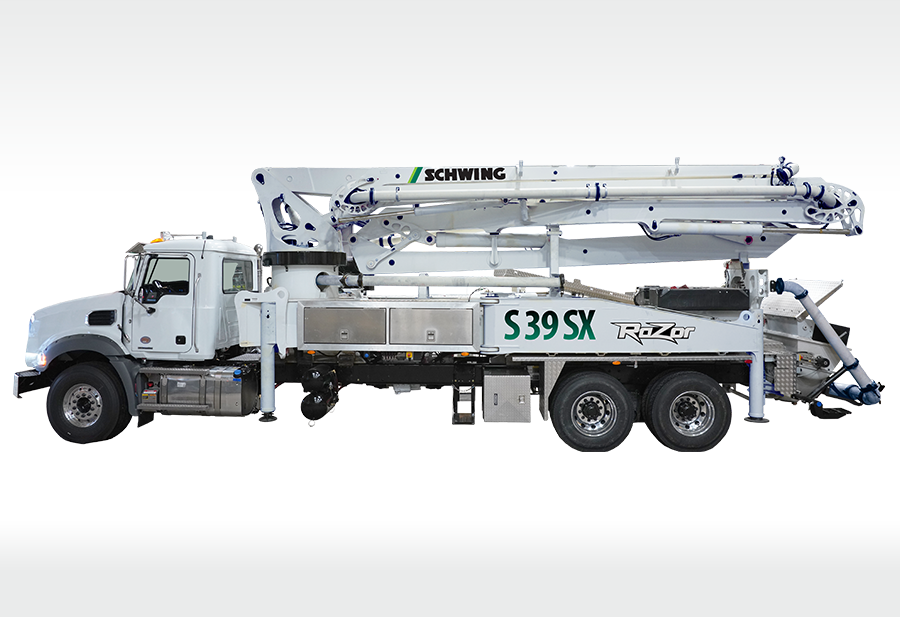
Ball-Valve Line Pump Financing Program overview
Pricing basis: boom reach, hours, resale strength
Application-only: up to $500,000
Sellers: dealer, auction, or private party
Turnaround: same business day
Get a Quote Back to list
Ball-valve line pumps attract buyers for a specific reason: simplicity. The ball valve mechanism controls flow through the pump using a rotating ball rather than the sliding valve spool found in S-valve designs. Fewer moving parts, straightforward inspection and replacement, and a pump mechanism that pool contractors, grout specialists, and residential concrete operators have trusted for decades. The machine earns on pour day and does not introduce mechanical complexity beyond what the job requires.
We finance ball-valve line pumps as part of our full concrete and specialty pump program. Buyers in the pool, shotcrete, grout, and residential foundation markets call us regularly about these machines. They sit at a price point that often qualifies under our application-only program , and the deal closes fast when the file is clean. Compare this mechanism to S-valve concrete pumps if you are still evaluating which design fits your mix and application best.
How Ball-Valve Pumps Work and Where They Perform Best In a ball-valve line pump, a rotating ball with a central bore alternately aligns to the inlet to accept concrete mix and then rotates to align with the outlet to expel it. The action is simple and the valve's seating surfaces are accessible for inspection. When the ball or seat wears, replacement is typically a field-serviceable operation that keeps downtime short.
Ball-valve mechanism pumps perform best on mixes within their rated aggregate size. Standard concrete, fine grout, pool mix, and similar materials run well through ball-valve machines. Very coarse aggregate or high-fiber mixes that require the more tolerant geometry of an S-valve passage can shorten ball-valve service life on applications they are not designed for. Buyers should confirm the machine's aggregate size rating matches their typical mix before purchase.
Output range for contractor ball-valve machines runs from around 20 to 60 cubic meters per hour, though variations exist across the product range. This output profile is well-matched to pool construction, residential foundation pours, and specialty applications where very high throughput is not the primary requirement. Grout and material pumps in this category often serve specialty applications like post-tensioning void grouting, grout pumping , and structural fill placements where precise placement matters more than speed.
Ball-Valve Pump Buyers and Their Work Pool and shotcrete installers are among the most consistent ball-valve pump buyers. Pool shell construction, water feature work, and shotcrete application use these machines extensively. The relatively simple mix types in pool construction align well with ball-valve mechanism capabilities.
Specialty concrete contractors doing grout work and structural placements sometimes run ball-valve machines for the lower-viscosity materials they handle. The valve design works effectively with thinner grout mixes and specialty compounds used in infrastructure repair, post-tension grouting, and masonry fill applications.
Residential concrete contractors who pump foundations, slabs, and flatwork at moderate volumes often find the ball-valve machine hits the right price and capability combination for their work. A contractor doing five to ten pours per week at residential scale does not need a high-output commercial machine with the maintenance overhead that comes with it.
Financing Ball-Valve Line Pumps Ball-valve line pumps generally fall in the lower price range of our program. Many transactions for new or quality used machines fall under $100,000, which puts them squarely in application-only territory for clean files. The documentation requirement is minimal: one-page application, business registration, and sometimes three months of bank statements for slightly larger deals or credit files with some complexity.
Approval within a business day is standard for clean files at this price range. Funding follows in a few days to a week. For buyers who need to replace a failed pump before a contracted job, that timeline can be the difference between completing the project and scrambling for alternatives. Communicate urgency upfront and we prioritize accordingly.
An equipment loan with fixed monthly payments is the most common structure for first-time buyers. Used equipment financing handles the active secondary market for these machines. Most ball-valve pump buyers are not looking for lease structures; they want the machine, the payment, and ownership at the end of the term.
Buying New or Used Used ball-valve line pumps are widely available. These machines change hands frequently at the contractor level, particularly as operators upgrade to higher-output units or exit the business. A used machine with documented service history and recently replaced ball and seat components can serve well for years. Price advantage over new is typically significant.
New machines from manufacturers including REED and others carry warranties and known starting condition. At the price point most new ball-valve machines occupy, the financing payment difference between new and used is modest. Some first-time buyers prefer new specifically to start with a clean maintenance baseline and manufacturer support.
For buyers looking at a private seller situation, private-party purchase financing is available. These transactions are common in the pool and residential concrete market where contractors buy directly from operators who are retiring or restructuring.
Boom Pump Financing, Asked and Answered What contractors ask about ball-valve line pump financing before committing to a purchase.
Finance a Ball-Valve Line Pump Today Simple machine, simple financing. One application and we come back with real numbers. Pool contractors, residential crews, and specialty operators all welcome.
Common questions I do mostly pool gunite work. Do lenders understand that application when reviewing my business? Yes. Pool construction is a legitimate and well-understood business type. Revenue from gunite installation, water features, and pool shell work is standard contractor income. Lenders who see consistent seasonal revenue from pool work respond positively to a pool contractor's application.
Can I finance a ball-valve pump if my business is seasonal and revenue drops in winter? Seasonal revenue patterns are normal in construction. Lenders look at full-year revenue, not individual months. If your bank statements show strong deposits during the active season, the overall revenue picture supports the payment. Seasonal payment programs are also available for contractors who want payments to track their revenue cycle.
The pump I want uses a ball-valve but also handles mortar. Does that affect the financing? The machine's capability for mortar or specialty materials does not change the financing approach. We finance the machine based on its identity and value as concrete equipment. Versatile machines that handle multiple materials are actually positive from an operator perspective because they expand the earning potential of the asset.
I want to add a ball-valve pump to my existing fleet of trailer units. Can I get approved for a second machine? Second-machine financing depends on your total credit and debt service picture. If the first machine's loan is in good standing and your revenue supports an additional payment, a second deal is achievable. Lenders view fleet expansion positively when the business track record supports it.
What is the minimum credit score to get a ball-valve pump financed? At the price points typical for ball-valve pumps, credit score requirements are often more flexible than for larger equipment transactions. Scores in the 580-620 range may qualify with the right compensating factors. Scores above 640 open more lender options and better terms. Bad-credit programs exist for scores below 580.
Common Questions on Ball-Valve Line Pump Financing Straight answers before you send the equipment file.
I do mostly pool gunite work. Do lenders understand that application when reviewing my business? Yes. Pool construction is a legitimate and well-understood business type. Revenue from gunite installation, water features, and pool shell work is standard contractor income. Lenders who see consistent seasonal revenue from pool work respond positively to a pool contractor's application.
Can I finance a ball-valve pump if my business is seasonal and revenue drops in winter? Seasonal revenue patterns are normal in construction. Lenders look at full-year revenue, not individual months. If your bank statements show strong deposits during the active season, the overall revenue picture supports the payment. Seasonal payment programs are also available for contractors who want payments to track their revenue cycle.
The pump I want uses a ball-valve but also handles mortar. Does that affect the financing? The machine's capability for mortar or specialty materials does not change the financing approach. We finance the machine based on its identity and value as concrete equipment. Versatile machines that handle multiple materials are actually positive from an operator perspective because they expand the earning potential of the asset.
I want to add a ball-valve pump to my existing fleet of trailer units. Can I get approved for a second machine? Second-machine financing depends on your total credit and debt service picture. If the first machine's loan is in good standing and your revenue supports an additional payment, a second deal is achievable. Lenders view fleet expansion positively when the business track record supports it.
What is the minimum credit score to get a ball-valve pump financed? At the price points typical for ball-valve pumps, credit score requirements are often more flexible than for larger equipment transactions. Scores in the 580-620 range may qualify with the right compensating factors. Scores above 640 open more lender options and better terms. Bad-credit programs exist for scores below 580.
Get Terms on Ball-Valve Line Pump Financing Tell us what you are buying, who is selling it, and when you need it earning. We will review the file and point you to the next step.