Program overview
Pricing basis: boom reach, hours, resale strength
Application-only: up to $500,000
Sellers: dealer, auction, or private party
Turnaround: same business day
Get a Quote Back to list
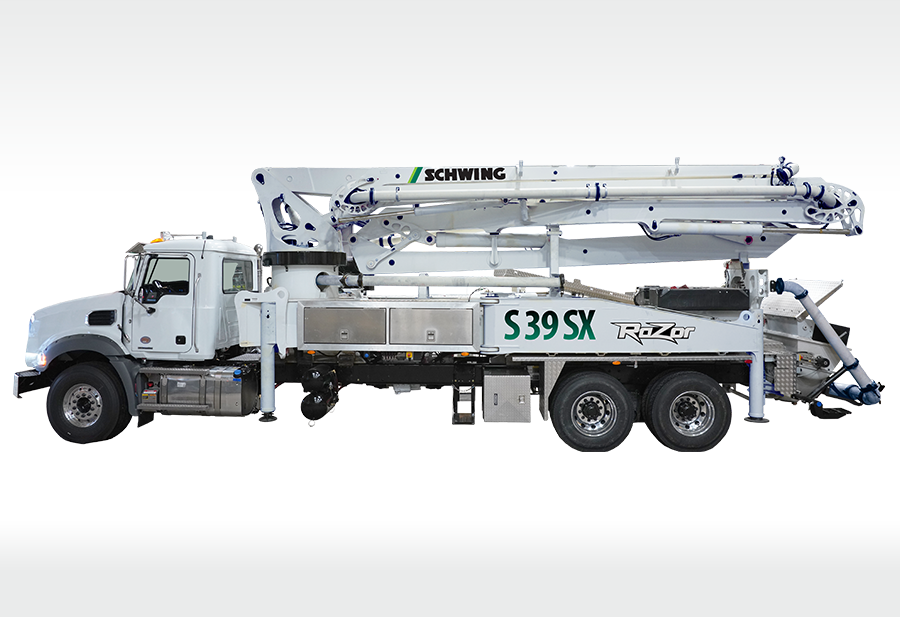
Urban concrete work plays by different rules than open-site pours. The street is narrow, the building next door is three feet away, and the only lane available for the pump truck is the one the city gave you in the permit window. A city pump is designed for exactly that reality. Compact outrigger spread, tight turning radius, and short boom configurations engineered for the geometry of dense urban sites. Contractors who live in this work environment do not want to wrestle a full-size commercial boom into spaces where it cannot set up properly.
We finance city pumps for urban contractors across the market. These machines are a distinct category from both full-size boom pumps and line pumps. The market for them is active in high-density metros, and the buyers who need them know exactly why. For buyers comparing city pump options against low-line boom configurations , both paths are within our program range. The decision comes down to the specific geometry of your most common job type.
City Pump Design: Built for Urban Site Realities City pumps combine reduced outrigger spread with shorter boom lengths, typically in the 28-to-38 meter range, optimized for urban street configurations and tight lot access. Some models use X-style outrigger configurations rather than full-span four-corner sets, which allows setup in a single lane of traffic or in very narrow lot access points. The trade-off is reduced reach versus a full-size boom, but on the jobs these machines are built for, that trade-off is irrelevant because a larger machine simply cannot set up.
Transport weight is another distinguishing characteristic. City pump configurations tend to run on lighter carrier chassis than full-size commercial booms, which improves road permitting, fuel economy on frequent short-distance hauls between urban jobs, and access to sites where bridge load limits or underground infrastructure restrictions constrain heavy vehicle access.
Pump output at this machine class typically runs 80 to 130 cubic meters per hour, appropriate for the pour volumes that characterize most urban small commercial and residential work. High-rise concrete contractors do not use city pumps. Small and mid-size building concrete specialists do, and the machine earns consistently for operators with the right job profile.
Urban Concrete Contractors Who Buy City Pumps The city pump buyer is typically an operator based in a major metro area who works primarily within that city's dense core. Concrete and masonry contractors in cities like New York , Chicago , and San Francisco encounter site access conditions daily that would make operating a full-size commercial boom impractical. The city pump is the tool that unlocks that work.
Foundation pours in tight urban infill situations, interior slab placements during building renovation, and street-level commercial concrete work where lane closures are limited all favor this machine type. Foundation and slab contractors doing urban residential and mixed-use work find the city pump opens jobs that competitors without the right machine cannot bid competitively.
Owner-operators entering the urban concrete market sometimes choose a city pump as their first machine because it opens a specific niche rather than competing directly against larger operators on open-site commercial work. That niche strategy can be highly effective in dense markets where the city pump-capable contractor pool is limited.
Urban renovation and retrofit construction has driven sustained demand for city pump configurations. As older commercial buildings are converted for new uses, retrofitted for seismic or energy upgrades, or repositioned in active urban markets, the concrete work involved must happen within tight site constraints that match what city pumps were designed for. Contractors who focus on this renovation and retrofit segment find consistent year-round work that a standard boom truck simply cannot service as efficiently. That consistent work profile makes the financing payment easy to support from month one of ownership.
Financing Process for a City Pump Same process as any boom pump financing. One-page application. Documentation scaled to deal size and credit profile. Approval in one to three business days. Funding in a week to two weeks after approval. City pumps at the lower end of the price range often fall entirely within our application-only financing threshold, which means decisions without tax returns or audited statements.
Loan and lease structures both available. For a first-machine owner-operator, a fixed-rate equipment loan with ownership at payoff is often the most straightforward approach. Operators who plan to upgrade within five years might prefer a lease structure with a defined buyout or trade option at term end.
New vs. Used City Pump Market New city pump configurations are available from several manufacturers with programs specifically in this category. Used units change hands between urban contractors, and the secondary market is active in major metros. A well-maintained used city pump from a contractor who kept service records is a solid acquisition. Used equipment financing programs handle this transaction type routinely.
Buyers considering a private-party purchase from a retiring contractor or a business that is winding down should review private-party purchase financing options. The process includes coordination with the seller on title transfer and may require an independent inspection, but private sales of city pumps are common and fully financeable.
City Pump Financing Questions What urban concrete contractors ask about financing city pump equipment.
Finance Your City Pump Tell us the machine, tell us your situation. We come back with real options, not a form letter. Urban concrete financing that understands what you do.
Common questions I work exclusively in an urban core with no suburban jobs. Does that affect how lenders evaluate my application? Your operating territory does not change the basic credit analysis. Revenue, time in business, and creditworthiness are the primary factors. Operating in a dense urban market with consistent work volume is actually a positive indicator for lenders who understand that city pump operators fill a specific and reliable niche.
Can I finance a city pump along with a trailer line pump to cover both boom and line work? Yes. Multi-asset deals can bundle a city pump with a trailer-mounted line pump. Having both machines covers the full range of urban concrete placement scenarios and may be worth discussing with lenders who can underwrite the full package at once.
Are there city pump-specific brands or models that lenders prefer? Lenders prefer machines with recognized brand names, active dealer support, and documented maintenance history regardless of machine type. City pump-specific configurations from established manufacturers carry stronger collateral valuations than obscure or discontinued brands.
My jobs are mostly small pours under 50 yards. Does that work against a city pump financing application? Small individual pour volume is not a credit issue if you run frequent pours throughout the week or month. The total monthly revenue from all pours is what supports the payment. Fifty pours at 40 yards each per month is a completely healthy business for a city pump owner.
What minimum down payment should I budget for? Strong credit profiles often close with zero or first-and-last payment structures. More typical is 10 to 15 percent for established operators. First-time equipment buyers or those with credit issues may need 20 percent or more. We quote what your specific file realistically supports.
Common Questions on City Pump Financing Straight answers before you send the equipment file.
I work exclusively in an urban core with no suburban jobs. Does that affect how lenders evaluate my application? Your operating territory does not change the basic credit analysis. Revenue, time in business, and creditworthiness are the primary factors. Operating in a dense urban market with consistent work volume is actually a positive indicator for lenders who understand that city pump operators fill a specific and reliable niche.
Can I finance a city pump along with a trailer line pump to cover both boom and line work? Yes. Multi-asset deals can bundle a city pump with a trailer-mounted line pump. Having both machines covers the full range of urban concrete placement scenarios and may be worth discussing with lenders who can underwrite the full package at once.
Are there city pump-specific brands or models that lenders prefer? Lenders prefer machines with recognized brand names, active dealer support, and documented maintenance history regardless of machine type. City pump-specific configurations from established manufacturers carry stronger collateral valuations than obscure or discontinued brands.
My jobs are mostly small pours under 50 yards. Does that work against a city pump financing application? Small individual pour volume is not a credit issue if you run frequent pours throughout the week or month. The total monthly revenue from all pours is what supports the payment. Fifty pours at 40 yards each per month is a completely healthy business for a city pump owner.
What minimum down payment should I budget for? Strong credit profiles often close with zero or first-and-last payment structures. More typical is 10 to 15 percent for established operators. First-time equipment buyers or those with credit issues may need 20 percent or more. We quote what your specific file realistically supports.
Get Terms on City Pump Financing Tell us what you are buying, who is selling it, and when you need it earning. We will review the file and point you to the next step.