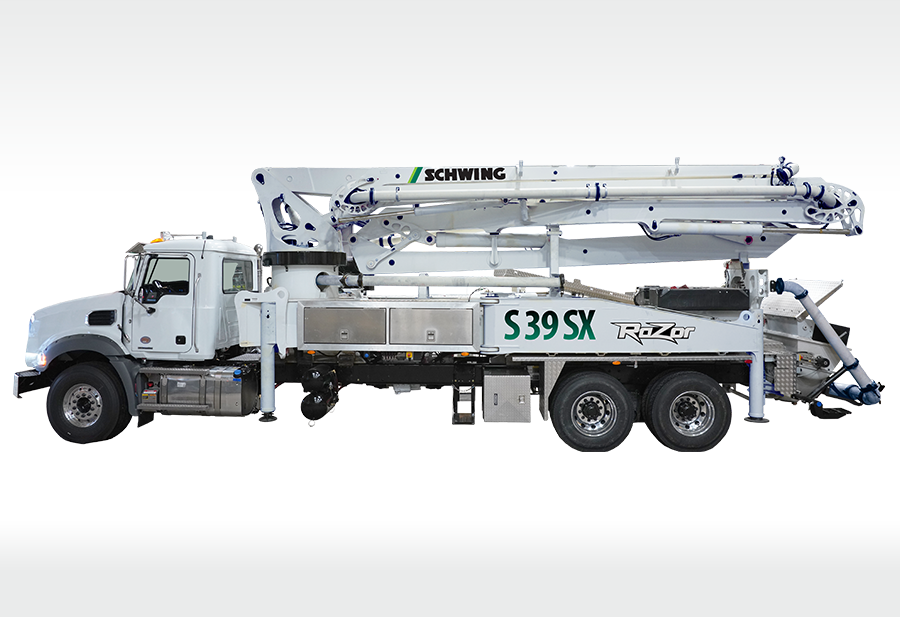
Self-Climbing Placing Boom Financing Program overview
Pricing basis: boom reach, hours, resale strength
Application-only: up to $500,000
Sellers: dealer, auction, or private party
Turnaround: same business day
Get a Quote Back to list
The jump form climbs, and the placing boom climbs with it. That is the whole point of a self-climbing placing boom, and it is why crews on 40-story-plus towers do not want anything else. You rig a fixed boom once per floor, every floor, and on a building with 60 pours above grade that is 60 extra crane picks, 60 extra rigging days, and 60 opportunities for a delay that shows up on the GC's critical path report. A self-climbing system mounts to the jump form, follows the formwork up the structure, and is ready for the next pour as soon as the form sets. The daily labor cost difference adds up fast enough to make the equipment price feel like a bargain.
We finance self-climbing placing booms for high-rise concrete subcontractors, general contractors self-performing concrete, and specialty equipment rental operations that serve the tower market. Call us when the machine spec is in hand.
How Self-Climbing Systems Work Climbing Mechanism and Integration Self-climbing placing booms use one of two primary climbing mechanisms: a hydraulic jack that climbs a guide rail fixed to the building, or an integral frame that attaches directly to the jump form and rises when the form climbs. The guide rail system allows the boom to operate independently of the form cycle, which gives crews flexibility when concrete placement happens on a different schedule than form stripping. The integral frame approach ties the boom directly to the pour cycle but typically costs less and is faster to set up on a new project.
The hydraulic pump package that powers the climbing unit adds to the overall system cost, and it is part of what gets financed. For most high-rise tower applications, the complete package from a manufacturer like Putzmeister, Schwing, or Sermac includes the boom, the climbing frame, the hydraulic unit, and the remote control system. That turnkey price is what the loan is written against.
Reach and Capacity on Tall Buildings Self-climbing placing booms for high-rise tower work typically have horizontal reach from 28 meters on compact city-pump-friendly models up to 55-plus meters on the large commercial tower units. The larger the floor plate, the more reach you need to cover all four quadrants of the slab without repositioning the boom mast. On a typical residential tower floor plate in the 15,000 to 25,000 square foot range, a 32-meter boom covers most layouts from a core-mounted position. On a large commercial tower floor exceeding 50,000 square feet, a 46 to 55 meter unit is more typical.
Buyers in the high-rise and multifamily builder segment know these tradeoffs by project number and use the spec decision to drive the financing ask. The machine bought for one tower may be the right spec for the next three, or the project after this one may call for more reach. Plan the fleet with the next five contracts in mind.
What the Numbers Look Like Self-climbing placing boom systems are among the more expensive single pieces of equipment in the concrete pumping world. A complete system with frame, hydraulics, and remote package from a premium European manufacturer runs $350,000 to $800,000 depending on reach, capacity, and climbing mechanism type. Chinese-manufactured systems from brands like Sany, CIFA, and Zoomlion come in at lower price points, with complete systems available priced roughly $200k–$400k depending on spec. Used systems from completed high-rise projects trade for less, sometimes significantly, depending on hours and condition.
Term lengths of 48 to 84 months are typical for this equipment. Monthly payments on a $500,000 system at mid-market terms land priced roughly $8k–$12k depending on rate and amortization. For a contractor billing the placement crew out at daily rates on a major tower project, that payment is recovered in days of productive pour work. The ROI math makes sense when the machine is working.
Contractors who want the tax advantages of ownership but prefer to keep cash deployed on payroll and materials should review Section 179 and bonus depreciation options, which can produce first-year write-offs that substantially offset the effective cost of the machine. An equipment loan structure is required for the depreciation deduction; a true operating lease does not qualify because the lessee does not own the asset.
New vs. Used Self-Climbing Systems Used self-climbing placing booms are available and financeable, but require more diligence than a standard used boom pump. The climbing mechanism, hydraulic jack cylinders, and guide rail sections all wear in ways that are harder to assess visually than pump-end wear on a standard unit. Before buying a used system, get the climbing history, number of project cycles completed, and any inspection reports from the previous contractor. A manufacturer's inspection is worth the cost on a high-ticket used system.
We finance used self-climbing booms under the same general process as any used equipment transaction. If the machine is available through a dealer, dealer documentation helps. Private-party transactions are also fundable. Review our used equipment financing page for the full process. For machines that have been through a factory or dealer refurbishment, refurbished concrete pump financing terms may apply.
Related Equipment for High-Rise Pours A self-climbing placing boom is one piece of the vertical pour system. Most high-rise operators also finance the following in related or sequential transactions:
Boom Pump Financing, Asked and Answered From high-rise concrete operators.
Finance Your Self-Climbing Placing Boom Tower work rewards the operator who shows up with the right equipment already paid for. Get the financing moving now. Complete an application or call us, and we will have a decision to you quickly.
Common questions Can I finance just the climbing frame without the boom, or do I need to bundle them? If you already own the boom and only need the climbing frame and hydraulic package, that equipment bundle can be financed on its own. The loan amount just needs to meet the minimum threshold, which is typically $50,000 on our program. Individual components are more common on upgrade or replacement transactions rather than initial acquisitions.
The project is a two-year tower build. Should I use a loan or a lease? A two-year project is shorter than most equipment loan terms, so consider whether you want to own the machine after the project ends. If this is the first of many tower jobs, a loan makes sense and you own a valuable piece of fleet at the end. If this is a one-off project and you do not have another tower in the backlog, a lease with a return option keeps you from holding equipment you do not have work for.
What happens to the equipment loan if the tower project gets canceled mid-construction? The loan obligation continues regardless of the project status. The machine itself retains value as a rental or resale asset. Contractors facing project cancellation with financed equipment should communicate with the lender early; the goal is to redeploy the asset or refinance rather than default. Having the equipment insured and well-maintained protects everyone.
Can a concrete subcontractor finance a self-climbing boom, or does it have to be a GC? Subcontractors finance placing booms all the time. The business entity taking the loan just needs to have a viable financial profile and the equipment needs to be titled to that entity. Being a sub does not restrict financing eligibility.
Common Questions on Self-Climbing Placing Boom Financing Straight answers before you send the equipment file.
Can I finance just the climbing frame without the boom, or do I need to bundle them? If you already own the boom and only need the climbing frame and hydraulic package, that equipment bundle can be financed on its own. The loan amount just needs to meet the minimum threshold, which is typically $50,000 on our program. Individual components are more common on upgrade or replacement transactions rather than initial acquisitions.
The project is a two-year tower build. Should I use a loan or a lease? A two-year project is shorter than most equipment loan terms, so consider whether you want to own the machine after the project ends. If this is the first of many tower jobs, a loan makes sense and you own a valuable piece of fleet at the end. If this is a one-off project and you do not have another tower in the backlog, a lease with a return option keeps you from holding equipment you do not have work for.
What happens to the equipment loan if the tower project gets canceled mid-construction? The loan obligation continues regardless of the project status. The machine itself retains value as a rental or resale asset. Contractors facing project cancellation with financed equipment should communicate with the lender early; the goal is to redeploy the asset or refinance rather than default. Having the equipment insured and well-maintained protects everyone.
Can a concrete subcontractor finance a self-climbing boom, or does it have to be a GC? Subcontractors finance placing booms all the time. The business entity taking the loan just needs to have a viable financial profile and the equipment needs to be titled to that entity. Being a sub does not restrict financing eligibility.
Get Terms on Self-Climbing Placing Boom Financing Tell us what you are buying, who is selling it, and when you need it earning. We will review the file and point you to the next step.