TRAC Lease Financing for Concrete Pump Trucks Program overview
Pricing basis: boom reach, hours, resale strength
Application-only: up to $500,000
Sellers: dealer, auction, or private party
Turnaround: same business day
Get a Quote Back to list
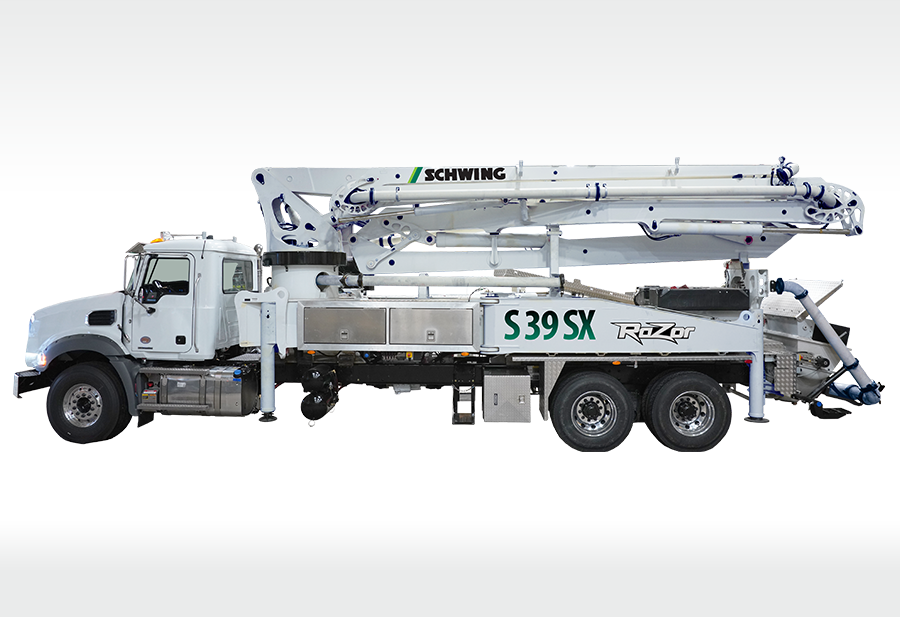
A boom pump truck is not just a pump. It is a pump mounted on a chassis, and those two components have different useful lives, different financing considerations, and in some structures, different lenders. A TRAC lease, Terminal Rental Adjustment Clause lease, is a specific structure designed for commercial vehicles and the equipment that rides on them. For truck-mounted concrete pump operators , understanding whether a TRAC lease fits your deal is worth the conversation.
TRAC leases occupy a specific niche in the commercial vehicle and equipment financing market. They are not the right structure for every deal, but for certain operators, particularly those financing complete truck-mounted units with significant chassis components, the TRAC structure offers flexibility that a standard equipment loan or operating lease does not.
What Makes a TRAC Lease Different A Terminal Rental Adjustment Clause is a provision in a commercial vehicle lease that establishes an estimated residual value at the outset and then adjusts the final settlement up or down based on what the vehicle actually sells for at end of lease. If the vehicle sells for more than the estimated residual, you share in the gain. If it sells for less, you pay the shortfall.
This structure allows the lessee (you) to take on the residual value risk in exchange for lower base payments than a standard operating lease. It sits somewhere between a true FMV lease (where the lender bears all residual risk) and a dollar buyout structure (where you own the machine at the end). In a TRAC lease, you have skin in the residual game.
Estimated residual set at lease origination At end of term, vehicle is sold or appraised Gain above estimated residual: shared or returned to lessee Shortfall below estimated residual: lessee pays the difference Monthly payments lower than dollar buyout; typically similar to FMV lease The commercial vehicle market developed TRAC leases partly because of IRS safe harbor rules that distinguish qualified motor vehicle operating agreements. Many truck-mounted concrete pumps qualify under this framework because the chassis is a titled, licensed commercial vehicle.
When TRAC Leasing Makes Sense for Pump Operators TRAC leases fit best when the truck chassis is a major component of the deal and when you have a realistic view of what the vehicle will be worth at end of lease. Operators who run their machines hard and know the residual will come in close to estimate because of their maintenance practices often do well with TRAC structures.
Operators building out fleets of truck-mounted boom pumps sometimes use TRAC leases as part of a fleet management strategy. The lower payment preserves cash flow. If the machines are well maintained and the market for used pumps remains active, the residual adjustments at end of term work out favorably or close to flat.
Concrete pumping service companies in markets with strong used equipment demand, particularly in the Sun Belt and active construction corridors, sometimes find that their TRAC leases settle favorably because resale values hold well. Houston , Dallas , and Los Angeles markets all have active used pump markets that support better residual outcomes.
TRAC leases are less suitable for operators who run machines into the ground with minimal maintenance, or who operate in markets with limited used equipment liquidity. In those scenarios, the residual adjustment at end of lease could represent a meaningful additional cost.
Payment Structure and Residual Considerations Monthly payments on a TRAC lease are set based on the purchase price minus the estimated terminal value, divided across the lease term, plus financing costs. The lower the estimated residual (more conservative), the higher the payment but the smaller the potential shortfall at end of term. The higher the estimated residual (optimistic), the lower the payment but the larger the potential exposure if the machine sells low.
Negotiating the residual estimate at the time of lease origination is important. An overly optimistic residual creates a payment that looks great on paper but sets up a large potential shortfall payment. A conservative residual builds more into the monthly payment but provides more protection at settlement.
For a concrete pump with a purchase price priced roughly $400k–$600k, the typical TRAC lease term runs 48 to 60 months. Terminal values for well-maintained boom pumps from major manufacturers tend to be more predictable than other heavy equipment categories because the secondary market is more established. That predictability is one reason TRAC structures can work well for pump operators who know their equipment.
Comparing TRAC to Other Lease Structures If you want simplicity and certainty about the end-of-term outcome, a dollar buyout lease removes the residual question entirely. You pay more each month, you own the machine for $1, and there is no settlement at the end. The FMV vs. dollar buyout comparison page covers that decision in detail.
If you want the lowest possible monthly payment and do not mind the end-of-lease decision being open, a standard FMV lease puts all the residual risk on the lender and prices it into a slightly higher monthly cost. The TRAC lease is the middle structure: lower payment than a dollar buyout, more residual responsibility than a standard FMV lease.
A standard equipment loan provides full ownership from day one and eliminates the lease structure entirely. For operators who want to own their iron without any lease mechanics, the loan remains the simplest path.
Ask Whether a TRAC Lease Fits Your Fleet Strategy TRAC leasing is not for everyone, but for the right operator running the right machine, it is an efficient structure. Tell us about your fleet, your utilization patterns, and your plan for the machine at the end of the term. We will tell you whether TRAC or another structure better matches your situation.
Common questions What happens at end of a TRAC lease if I want to keep the machine? You can purchase the vehicle at its current fair market value, which is the same price the lender would sell it for on the open market. If the machine has been well maintained and used pump values are strong, this purchase price might be close to the estimated terminal value set at origination. You pay it and own the machine outright.
How is the terminal residual value estimated at the start of the lease? Lenders use a combination of published residual value guides for commercial vehicles and equipment, comparable sales data for similar used units, and sometimes consultation with dealers who actively buy and sell in that segment. The estimate reflects expected wear over the lease term and anticipated market conditions.
Is a TRAC lease treated as an operating lease or a capital lease for accounting purposes? TRAC leases typically qualify as operating leases for tax purposes under IRS guidelines for qualified motor vehicle operating agreements. Under ASC 842 financial accounting rules, however, most leases (including TRAC leases) now appear on the balance sheet. Your accountant should confirm the treatment for your company's specific reporting obligations.
Can I get a TRAC lease on a used boom pump truck? Possible but less common. Establishing an estimated terminal value for a used machine that will be several more years older at end of lease is more complex. Lenders who offer TRAC structures primarily for commercial vehicles are most comfortable with newer equipment. Used equipment TRAC leases exist but the market is narrower.
What if the machine is totaled during the lease term? Insurance covers the machine's value in a total loss event. The settlement goes to the lender to pay off the lease obligation. If there is a gap between insurance proceeds and the remaining lease balance (often called a gap), some TRAC leases include gap protection or you can add it separately. Understand your coverage before the machine goes to work.
Common Questions on TRAC Lease Financing for Concrete Pump Trucks Straight answers before you send the equipment file.
What happens at end of a TRAC lease if I want to keep the machine? You can purchase the vehicle at its current fair market value, which is the same price the lender would sell it for on the open market. If the machine has been well maintained and used pump values are strong, this purchase price might be close to the estimated terminal value set at origination. You pay it and own the machine outright.
How is the terminal residual value estimated at the start of the lease? Lenders use a combination of published residual value guides for commercial vehicles and equipment, comparable sales data for similar used units, and sometimes consultation with dealers who actively buy and sell in that segment. The estimate reflects expected wear over the lease term and anticipated market conditions.
Is a TRAC lease treated as an operating lease or a capital lease for accounting purposes? TRAC leases typically qualify as operating leases for tax purposes under IRS guidelines for qualified motor vehicle operating agreements. Under ASC 842 financial accounting rules, however, most leases (including TRAC leases) now appear on the balance sheet. Your accountant should confirm the treatment for your company's specific reporting obligations.
Can I get a TRAC lease on a used boom pump truck? Possible but less common. Establishing an estimated terminal value for a used machine that will be several more years older at end of lease is more complex. Lenders who offer TRAC structures primarily for commercial vehicles are most comfortable with newer equipment. Used equipment TRAC leases exist but the market is narrower.
What if the machine is totaled during the lease term? Insurance covers the machine's value in a total loss event. The settlement goes to the lender to pay off the lease obligation. If there is a gap between insurance proceeds and the remaining lease balance (often called a gap), some TRAC leases include gap protection or you can add it separately. Understand your coverage before the machine goes to work.
Get Terms on TRAC Lease Financing for Concrete Pump Trucks Tell us what you are buying, who is selling it, and when you need it earning. We will review the file and point you to the next step.